
Hire a Marketing Consultant
Hire a Marketing Consultant: The Solopreneur’s Guide (2026)
How to find, evaluate, and hire the right marketing help for your one-person business — without wasting money on the wrong fit.
Most solopreneurs don’t need more marketing advice. They need the right marketing partner. But finding that person? That’s where it gets complicated.
The industry is full of consultants, coaches, agencies, and “strategists” with overlapping titles and wildly different skill sets. You’ve probably already spent money on someone who didn’t deliver.
You have more money than time (or you’re approaching that point). DIY marketing is eating hours you could spend on billable client work. But the thought of hiring the wrong person — again — keeps you stuck.
This guide gives you a framework for the decision. What kind of help is available, what it costs, how to evaluate fit, and when to walk away.
Start Here
Types of Marketing Support, explained
Marketing Coach
Teaches you to do marketing yourself. A skilled partner in your corner.
Good when you have time but lack strategy or accountability.
Marketing Consultant
Builds the strategy and often executes parts of it.
Good when you need a plan AND implementation help.
For senior strategic leadership without the full-time price tag, explore fractional CMO services.
Marketing Agency
Full-service execution across multiple channels.
Typically not ideal for solopreneurs (minimums $3K–10K/mo)
Coach | Consultant | Agency | |
You do the work? | Mostly yes | Shared | Mostly no |
Monthly cost | $300–$1,500 | $1K–$5K | $3K–$10K+ |
Best for solopreneurs? | Yes | Yes | Usually no |
Contract | Monthly | Project / retainer | 6–12 mo retainer |
Accountability? | Yes | Varies | No |
Average Marketing Costs
The range is huge because scope varies enormously. Here’s the quick reference.
Hourly
$50–$500
per hour
Monthly Retainer
$300–$10K+
per month
Project-Based
$1K–$25K
one-time
Potential Hidden Costs
- Onboarding time (yours and theirs)
- Tool/platform costs the consultant recommends
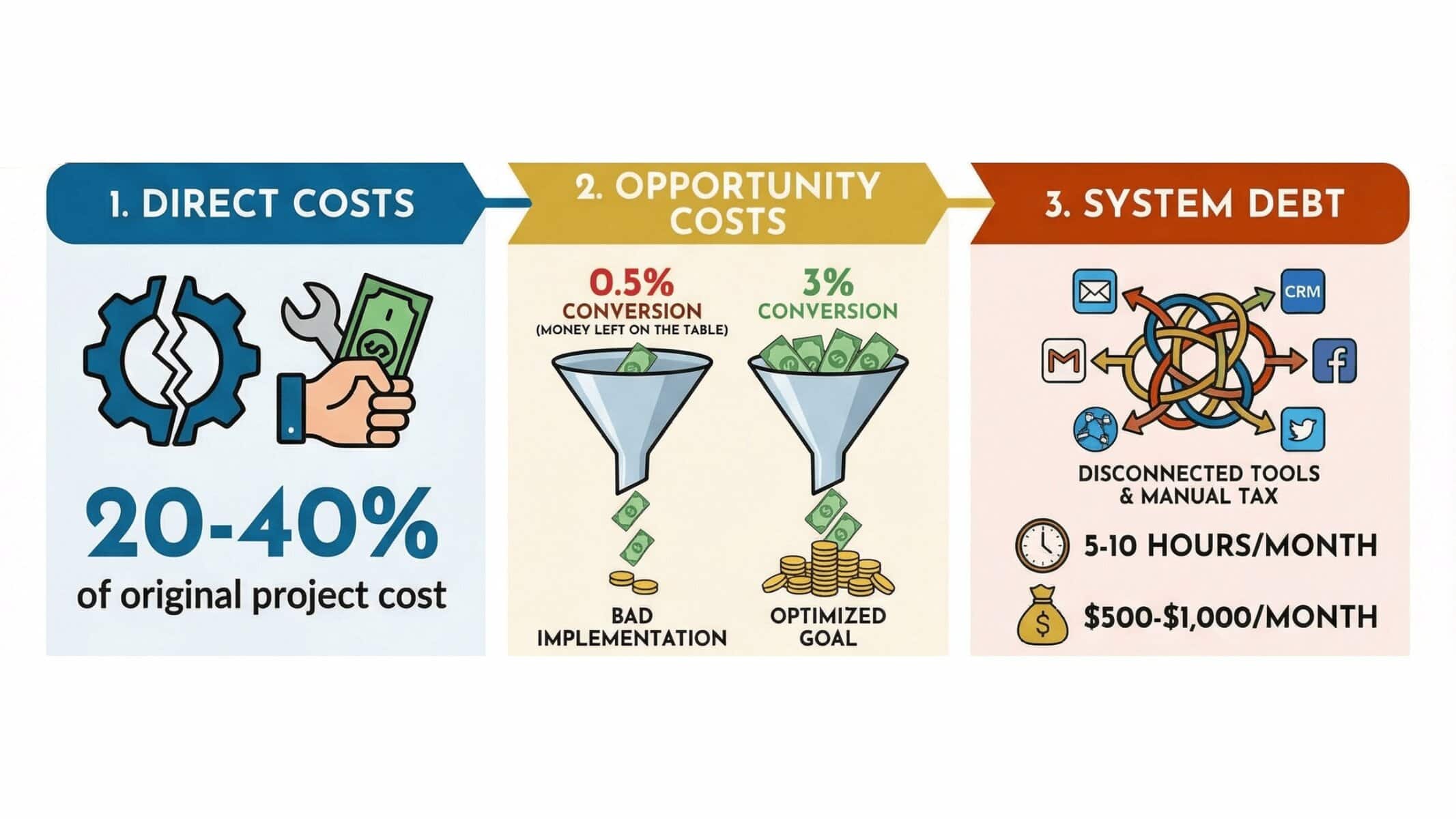
- Cost of hiring the wrong person (3–6 mo. wasted + opportunity cost)
Sometimes hiring is cheaper…
If you bill $150/hour and spend 10 hours/month on marketing you could hand off, that’s $1,500/month in lost revenue: $18K/year. For many solopreneurs, hiring support is the cheaper option. BUT… be careful, and watch your finances (maybe you need community support to execute quicker).
Key Questions
How to choose the right fit
Five questions to ask yourself before you hire anyone.
1. What do I need?
Strategy? Execution? Accountability? All three?
2. What’s my budget?
Include time cost, not just cash.
3. Do I want to learn or delegate?
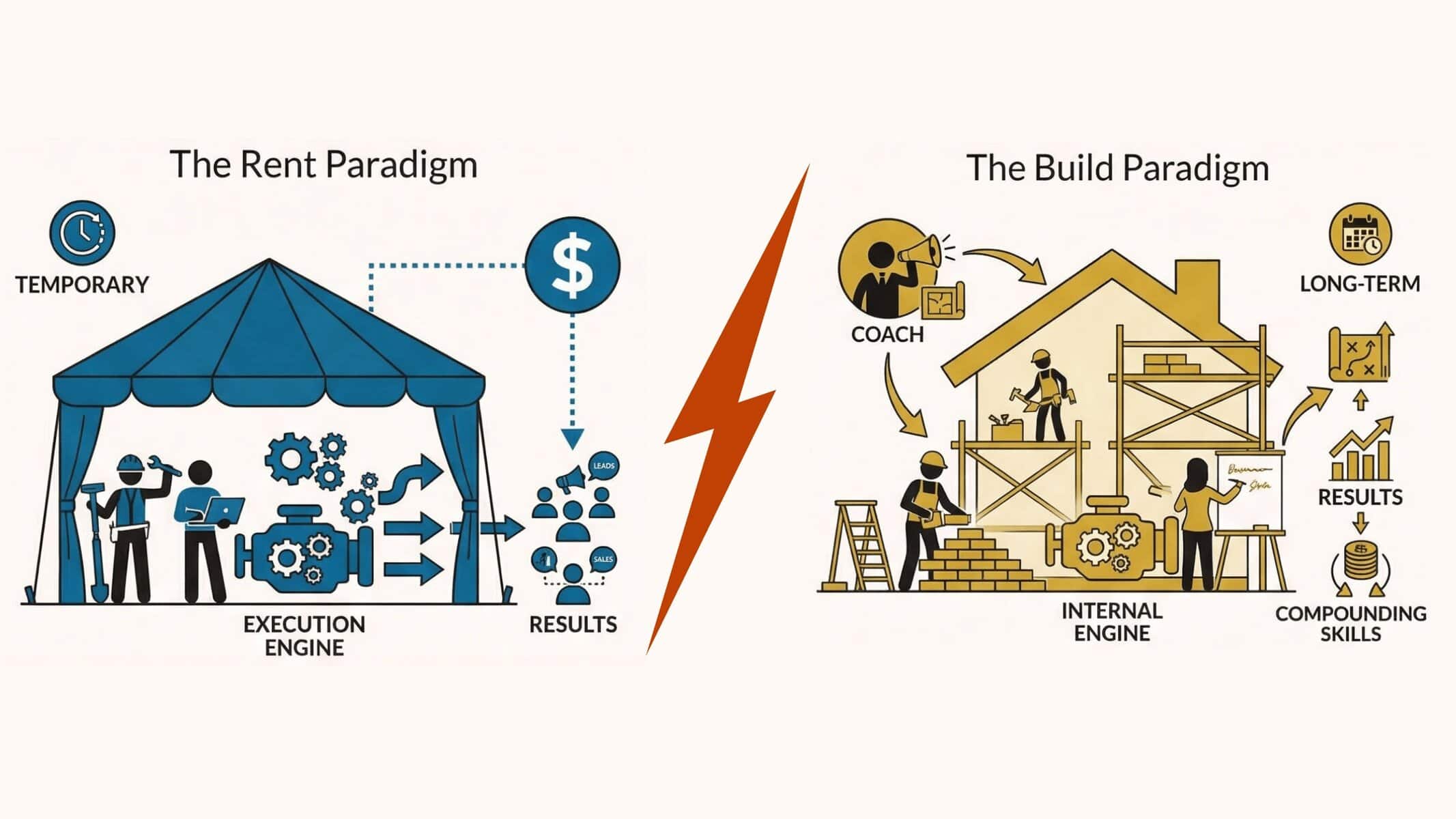
A coach teaches.
A consultant/agency does.
4. What does my timeline look like?
Quick fix (project) or long-term partnership (retainer)?
5. What’s my capacity to participate?
Coaching requires your time; done-for-you doesn’t.
Featured articles
Deep dives on costs, comparisons, and choosing the right fit.


How Jen Helps
What makes Our Support different
25+ years, not a course-certified newbie
Capacity-aware (5–10 hrs/wk, not 40)
Anti-hustle. No “10x in 90 days” promises
You own everything: strategy, data, systems
Marketing Coaching
Ongoing 1-on-1 strategy + accountability.
Best for: Solopreneurs who want to learn AND execute with a thinking partner.
Marketing Strategy
Custom strategy development.
Best for: Solopreneurs who need a clear plan before they can act.
Marketing Operations Makeover
Project-based tech audit + automation.
Best for: Solopreneurs drowning in tool chaos.
Not ready for 1-on-1 work? The Strategic Marketing Membership gives you courses, peer and expert feedback, and a community of solopreneurs working through the same decisions.
Not sure which fits? See what marketing consultants cost →
Get the Free Solopreneur Marketing Audit Worksheet
Rate your marketing across 5 key areas in under 10 minutes. Your scores reveal exactly where to focus first, so you stop spreading yourself thin.
No spam. Unsubscribe anytime. We respect your inbox.
Frequently Asked Questions
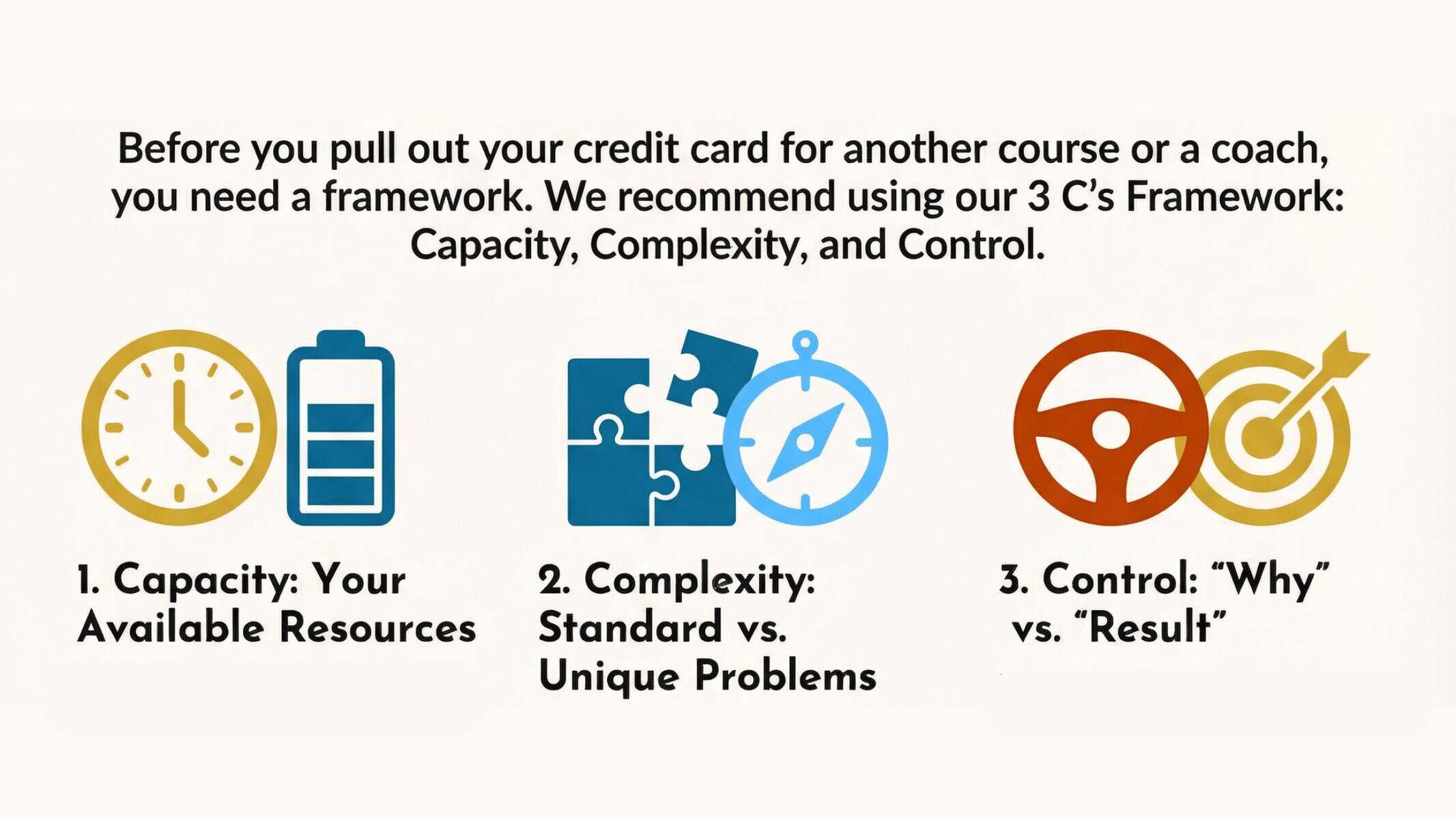
The best strategy is one you can sustain. For most service-based solopreneurs, that means a clear website, consistent email marketing, one or two social media channels, and evergreen content (blog posts, videos, or podcasts) that builds visibility over time. The 3 C’s framework, Clarity, Consistency, and Conversion, helps you prioritize what matters and ignore what doesn’t.
It depends on your revenue, growth goals, and how much time versus money you have. Some solopreneurs spend $0 in cash and invest 5 to 10 hours per week. Others spend $500 to $2,000/month on tools, ads, or professional support. The right answer is the amount you can sustain for six months or longer without financial stress. Read more about marketing consultant costs to help you plan.
Slow marketing is a capacity-aware approach to marketing that prioritizes depth over breadth, consistency over virality, and owned assets (like your website and email list) over rented platforms (like social media). It’s designed for solopreneurs who need their marketing to work without burning them out.
Start with the 3 C’s. Get clear on your audience and positioning first. Then choose two or three channels you can show up on consistently. Build one conversion path (content to lead magnet to email to conversation). Plan in 90-day cycles so you can adjust without overhauling everything quarterly. You don’t need a 30-page marketing plan. You need a one-page focus document.
If you have more time than money, DIY with good guidance (like this guide and the Strategic Marketing Membership) makes sense. If you have more money than time, or if you’ve been stuck in the same place for six months, professional support pays for itself. Read our guide to finding the right consultant to know what to look for.
Start with your website and email list (owned channels you control). Add one social media platform where your ideal clients spend time. That’s it for the first six months. Once those are running consistently, you can consider adding a second social channel or investing in SEO. More channels before you have systems in place means more chaos, not more clients.